Foam vs. Inflatable Pool Floats: Which Lasts Longer?
Every summer, the same debate surfaces: is it worth spending more on a foam pool float, or should you just grab another inflatable and call it a day? It's a fair question — and if you've only ever owned inflatables, the price difference can feel hard to justify upfront.
But here's what most people don't calculate: the cost of a pool float isn't what you pay once. It's what you pay over five summers. And when you run those numbers, the picture changes completely.
The Real Differences — Beyond What's Obvious
On the surface, the difference between foam and inflatable pool floats seems simple. One's solid, one's filled with air. But that one material distinction creates a cascade of differences in comfort, durability, maintenance, and long-term value that aren't immediately obvious in a store.
Inflatable floats rely on air pressure for buoyancy. Foam floats rely on the material itself. That single fact drives everything else — how they feel, how long they last, how much attention they need, and whether you'll be shopping for a replacement next June.
Inflatable Pool Floats — Honest Pros and Cons
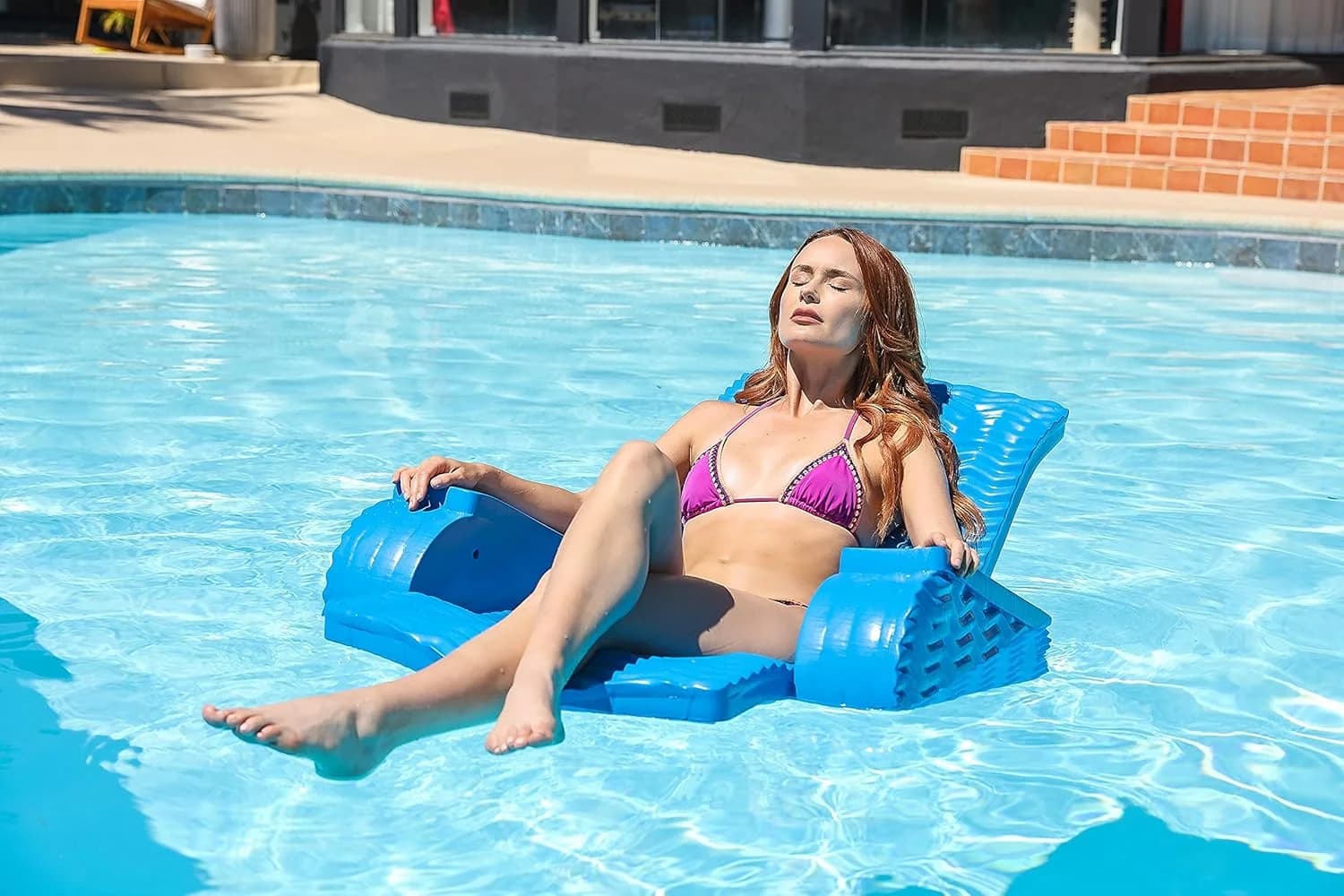
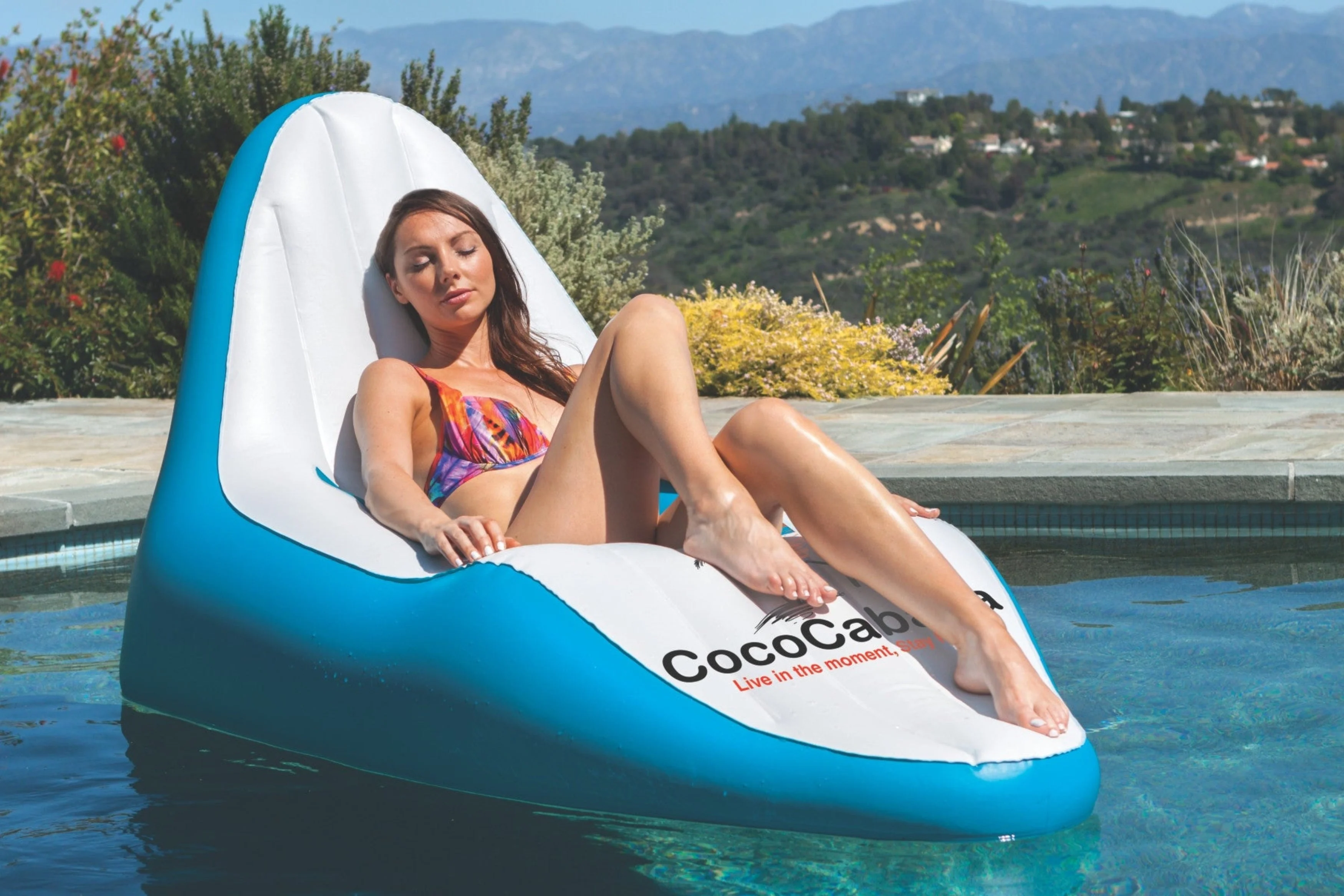
Let's start with inflatables, because they've earned their place in the market. We sell one ourselves — the Seychelles Inflatable Pool Chair — because there are legitimate use cases where inflatable is the right call.
Where Inflatables Win
- Upfront price. You can get an inflatable lounger for $15-40. That's hard to beat for a budget-conscious family or a one-weekend rental house trip.
- Packability. Deflated, an inflatable float rolls up to the size of a towel. If you're flying to a vacation rental or packing a small car, that portability matters.
- Novelty factor. Nobody makes a foam flamingo. If your pool party needs a six-foot unicorn or a pizza slice, inflatable is your only option.
- Kid-friendly disposability. For families with young kids who are rough on everything, a $20 inflatable that lasts one summer might be more practical than worrying about a premium float.
Where They Fall Short
The problems with inflatables aren't controversial — anyone who's owned one knows the list:
- Punctures and leaks. Every sharp edge, rough pool surface, or enthusiastic pet is a potential end-of-life event. Patch kits help, but patches rarely hold long-term on a surface that flexes in water and bakes in the sun.
- Comfort degradation. An inflatable feels firmest right after inflation. By hour two, it's softer. By the end of the day, you're sinking into the water and readjusting constantly. The air inside heats up in the sun, making the surface uncomfortably warm.
- UV and chlorine damage. The thin PVC or vinyl used in most inflatables breaks down under UV exposure. Colors fade, material becomes brittle, and seams weaken — often within a single season of regular use.
- The inflation ritual. Pump, inflate, check for leaks, top off. It's not hard, but it's friction. On a Tuesday evening when you just want to float for thirty minutes after work, that friction matters.
Foam Pool Floats — Honest Pros and Cons
Foam floats — specifically vinyl-coated, closed-cell foam — solve most of the problems above. But they're not perfect for every situation either. Here's the honest breakdown.
Where Foam Wins
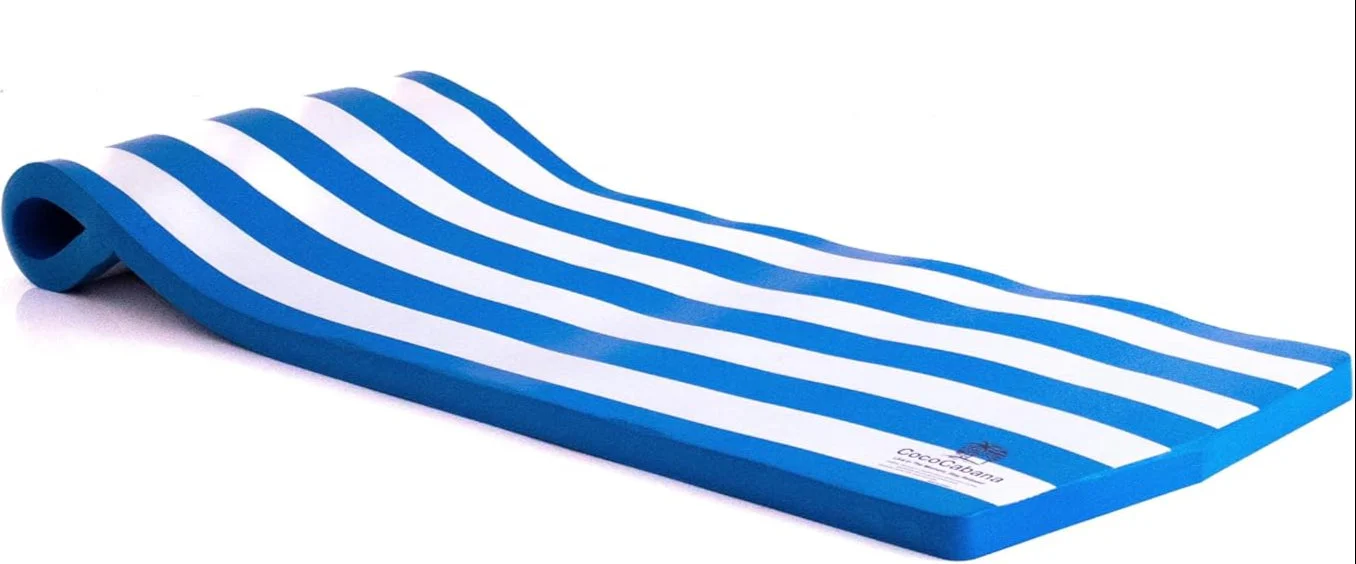
- Durability measured in years, not months. Closed-cell foam doesn't puncture, doesn't leak, doesn't lose buoyancy. The vinyl coating resists UV, chlorine, salt, and sunscreen. A well-maintained foam float lasts five to ten years. That's not marketing — it's material science.
- Instant readiness. No pump, no valve, no inflation check. Grab it, walk to the pool, drop it in the water. Done. This sounds minor until you realize how often the inflation step stops you from floating on a whim.
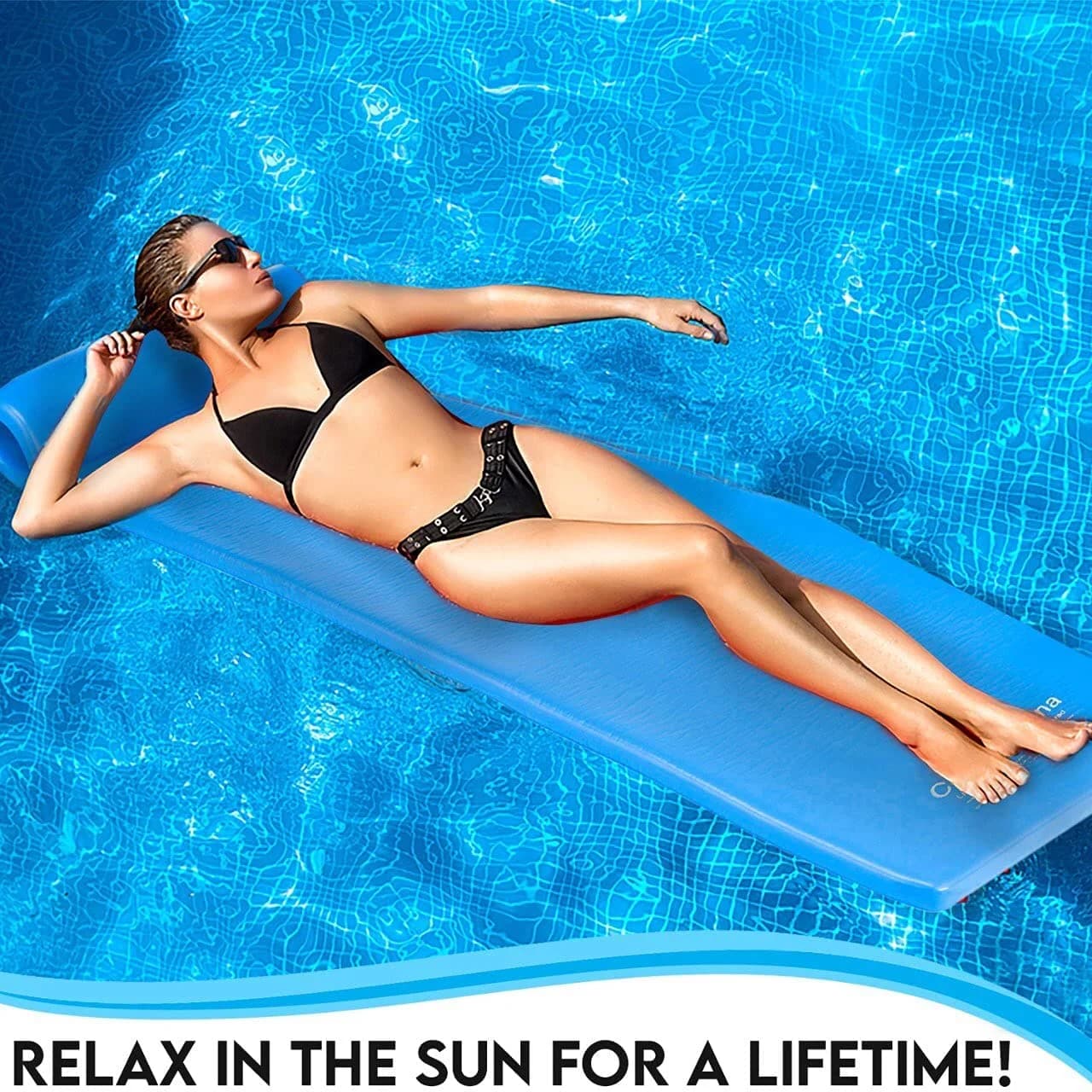
- Consistent comfort. Foam doesn't sag, soften, or heat up the way air does. The surface feels the same at the end of a three-hour session as it did at the start. The buoyancy is constant — your body sits at the same level in the water all day.
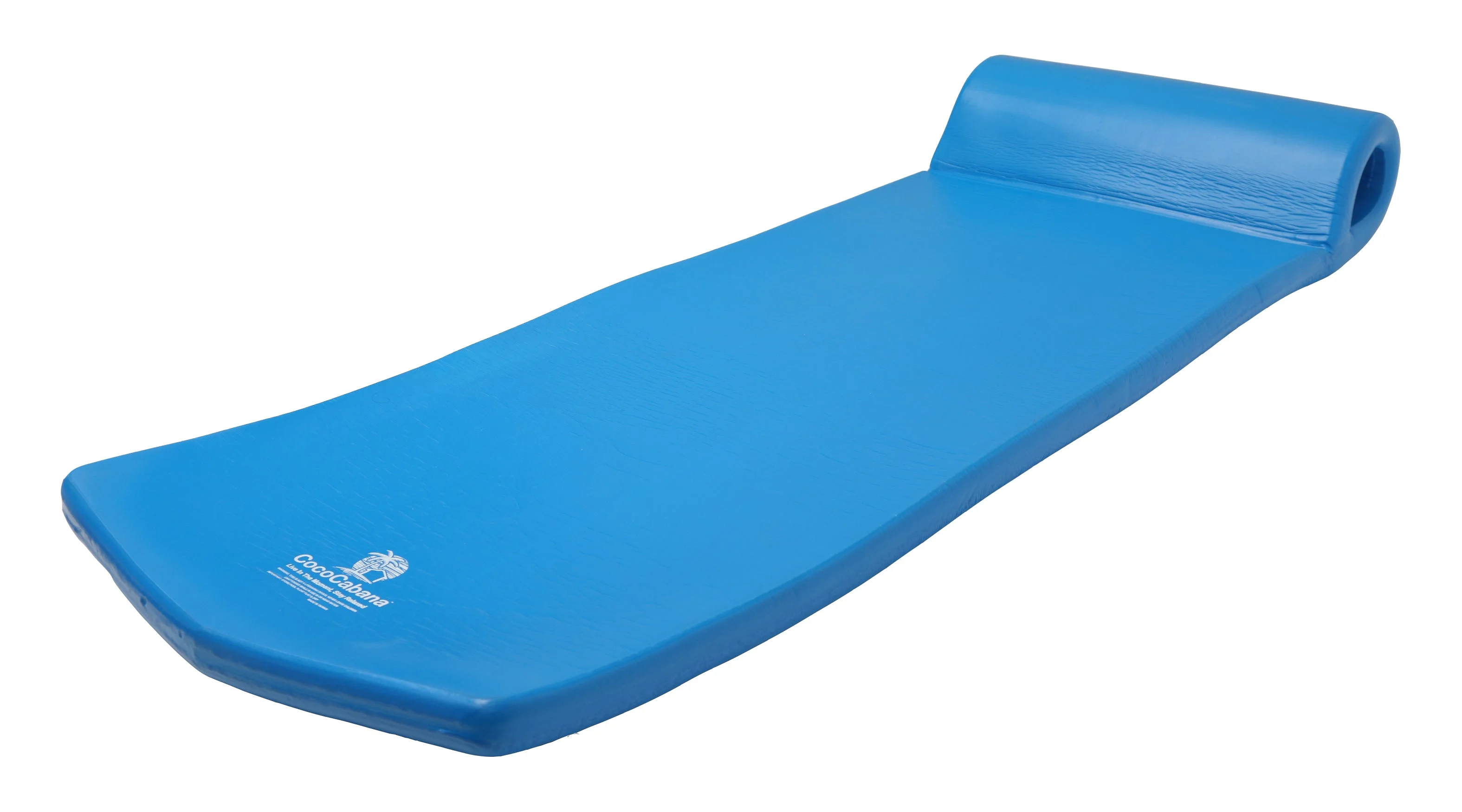
- Body-contouring support. Quality foam floats — like the Cococabana 74-Inch — have integrated headrests and enough thickness to cradle your body instead of just holding you above water. There's a noticeable comfort gap between floating on a thin air bladder and floating on two inches of dense foam.
Where Foam Falls Short
Transparency matters, so here's what foam doesn't do as well:
- Higher upfront cost. A premium foam float runs $50-100+. That's two to three times what a decent inflatable costs. The per-season math favors foam dramatically, but the initial purchase requires more commitment.
- Storage footprint. Foam floats don't deflate. A 74-inch lounger is 74 inches all the time — leaning against a wall, riding in the back of an SUV, sitting in the pool shed. If you're short on space, this matters.
- Weight. A foam float weighs 4-8 lbs depending on size. An inflatable weighs ounces. For most people this is irrelevant — you're carrying it from the garage to the backyard. But if you're hiking to a remote lake, the weight adds up.
- Limited novelty shapes. Foam is great for loungers, saddles, and chairs. It's not great for novelty shapes. You won't find a foam toucan.
The 5-Year Cost Comparison
Let's run simple numbers. These aren't exact prices — they're representative of what most people spend:
- Inflatable path: $35 float × replaced every 1.5 seasons = roughly $115 over five years. Plus pump cost, patch kits, and the time spent inflating. And you end year five with a float that's on its last legs.
- Foam path: $75 float × one purchase = $75 over five years. No accessories needed. And you end year five with a float that still works perfectly.
The foam float costs less over time — and you never have to shop for a replacement. That's the part people miss when they compare sticker prices in a store.
There's also a hidden cost to inflatables that doesn't show up on a receipt: the annoyance tax. The time spent inflating, the trip to the store when you realize last year's float didn't survive the winter, the afternoon cut short because a seam finally gave out. None of these are expensive in dollar terms, but they add up in frustration — and frustration is the opposite of what pool time is supposed to be.
The Environmental Angle
This one's worth mentioning even though it's not the reason most people buy foam. A disposable inflatable that lasts one season is one more piece of PVC heading to a landfill. Multiply that by the millions of pool floats sold and discarded every year, and the waste adds up fast. A foam float that lasts a decade replaces five to ten inflatables that would have been manufactured, shipped, used briefly, and thrown away. It's not the primary selling point — but it's a real one.
When We Recommend Inflatable (and We Do, Sometimes)
We sell inflatables — the Seychelles Inflatable Pool Chair is one of our most popular products. So we're not anti-inflatable. There are real scenarios where inflatable is the better choice:
- You're traveling and need something that packs flat in a suitcase
- You're buying for a kids' pool party where things will get thrown, jumped on, and generally abused
- You want a specific shape or style that only exists in inflatable form
- You're trying a float for the first time and want a low-commitment entry point
The Seychelles is built better than most inflatables — thicker material, reinforced seams, designed for multi-season use. It's the inflatable we'd recommend if inflatable is the right fit for your situation.
When Foam Is the Right Call
For most homeowners with a pool, a lake house, or a regular floating routine — foam wins. Here's the profile of a foam buyer:
- You have a pool you use regularly — not once a summer, but multiple times a month
- You're tired of the inflate-patch-replace cycle
- You care about comfort enough to notice the difference between lying on air and lying on foam
- You'd rather buy once and be done than shop for the same thing every spring
- You value "grab and go" convenience — no pump, no prep, no check for leaks
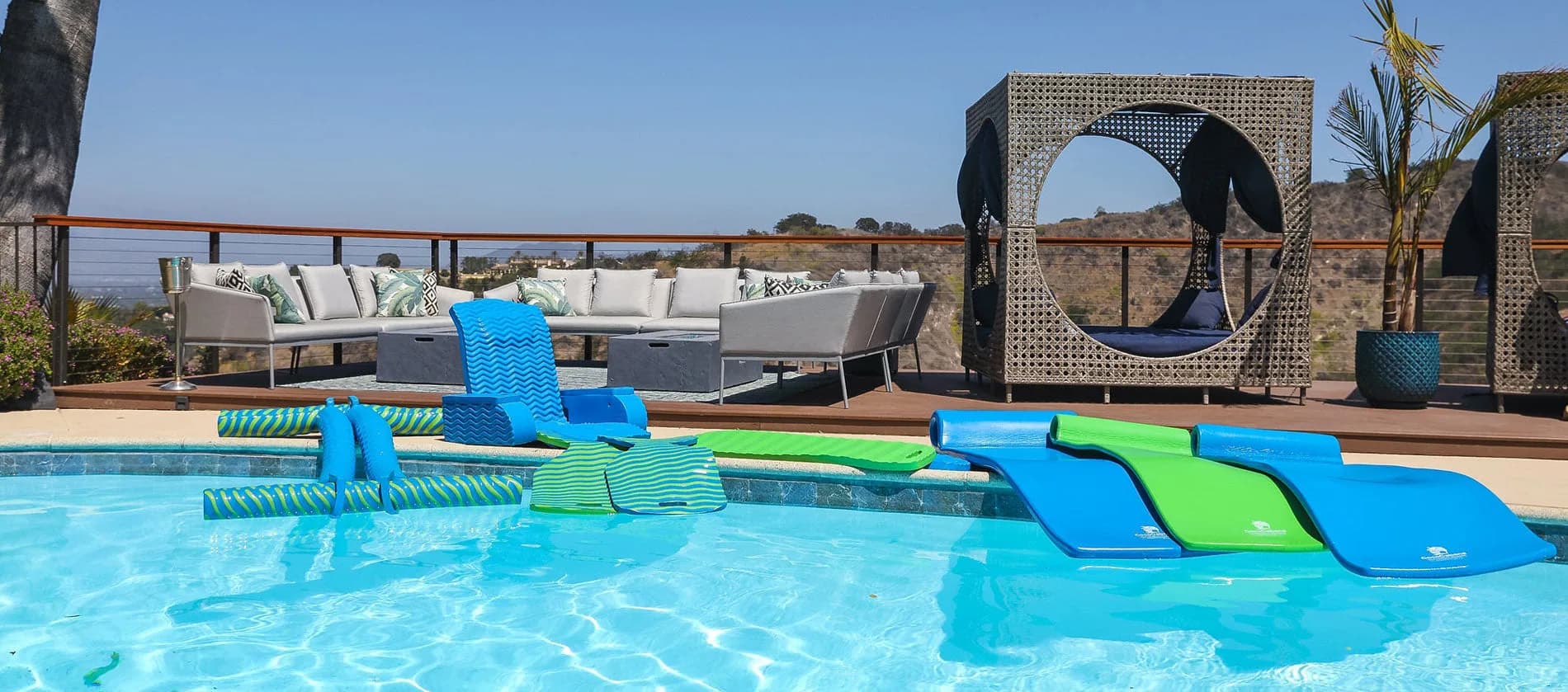
If three or more of those sound like you, foam isn't a luxury — it's common sense. Browse our luxury foam pool floats or check out the full pool chairs and loungers collection to see both sides of the lineup.
Maintenance: Another Hidden Difference
Inflatable maintenance is reactive — you deal with problems as they happen. Patch a hole. Replace a valve. Reinflate after it goes soft overnight. Foam maintenance is preventive and minimal — rinse it, dry it, store it properly. There's no emergency repair scenario with foam because the failure modes that create emergencies (punctures, leaks, seam splits) simply don't exist.
If you want the full care breakdown, our foam pool float care guide covers everything from daily rinsing to off-season storage. Spoiler: it takes about two minutes per session.
How to Decide
Ask yourself two questions:
- How often do you float? Once-a-summer vacationers can go inflatable without regret. Every-weekend floaters will pay more long-term for inflatables than they would for a single foam purchase.
- How long do you want this float to last? If the answer is "this summer," inflatable is fine. If the answer is "as long as possible" — and that's usually the answer adults give — foam is the material that delivers.
The smartest approach might be both. A foam lounger as your everyday float — the one that's always ready, always comfortable, always waiting by the pool. And an inflatable chair for parties, travel, or the occasional novelty. That way you get the best of both worlds without compromising on the thing you use most.
Both types of float have a place in the pool. But if you're making one investment that you want to feel good about for years — a foam pool float is the purchase you'll never regret.