How to Clean and Maintain Your Vinyl-Coated Foam Pool Float
You finally bought the float — the one that doesn't deflate, doesn't puncture, and doesn't look like a crumpled beach toy by mid-July. Your vinyl-coated foam pool float is the kind of thing you grab without thinking, toss into the water, and forget about for hours. That's the whole point.
But here's the thing most people don't think about until it's too late: even the most durable foam pool float needs a little attention to stay looking — and feeling — the way it did when you first pulled it out of the box. The good news? It's barely any effort. A few simple habits are all that stand between you and a float that lasts for years.
Why Foam Outlasts Inflatable
Before we get into care, it helps to understand what makes vinyl-coated foam different from the inflatables you're used to replacing every season. Traditional pool floats are built from thin PVC or vinyl bladders filled with air. One sharp edge, one overenthusiastic dog, one too-hot afternoon on the pool deck — and you're patching holes or throwing it away entirely.
Closed-cell foam floats work differently. The buoyancy comes from the foam itself — millions of tiny sealed air pockets inside a dense, waterproof core. There's nothing to inflate, nothing to puncture, and nothing to leak. The vinyl coating on top adds a smooth, wipeable surface that resists UV rays, chlorine, saltwater, and the kind of sunscreen-and-sweat combination that destroys cheaper materials.
That durability advantage shows up in real numbers. A typical inflatable lasts one to two seasons before the seams weaken, the valves leak, or the vinyl fades beyond recognition. A vinyl-coated foam float — properly cared for — can last five to ten years with zero structural degradation. The foam doesn't lose buoyancy. The vinyl doesn't crack or peel. The colors stay vivid because the coating is pigmented all the way through, not just surface-printed.
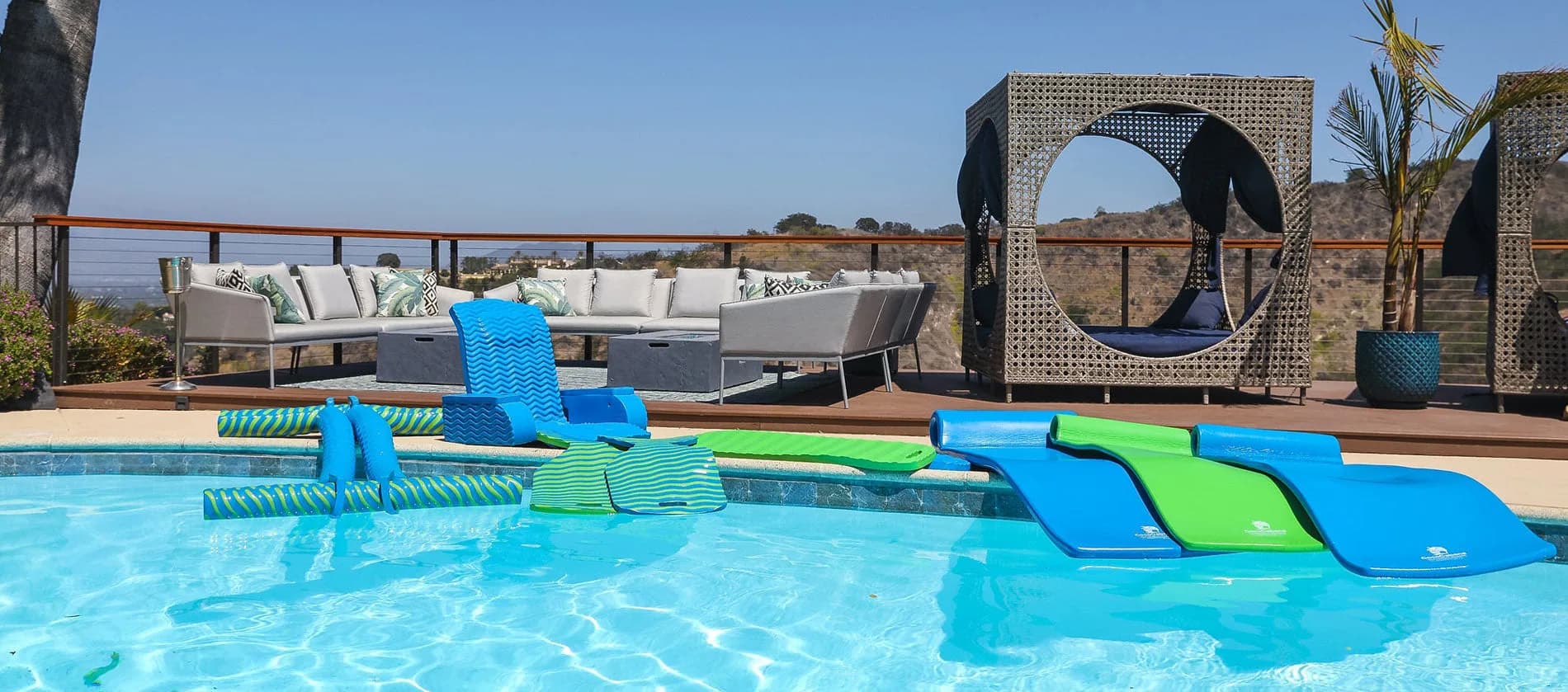
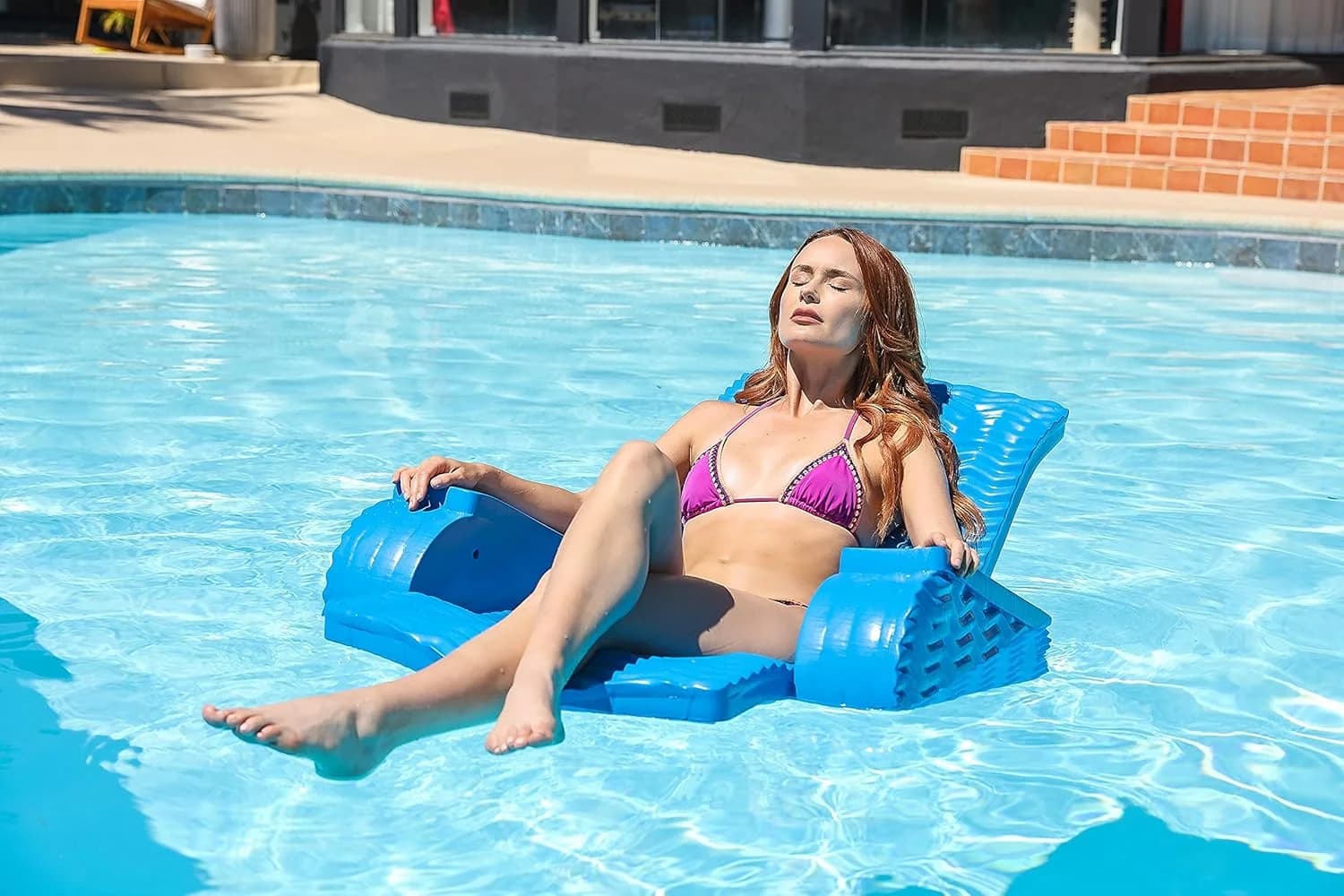
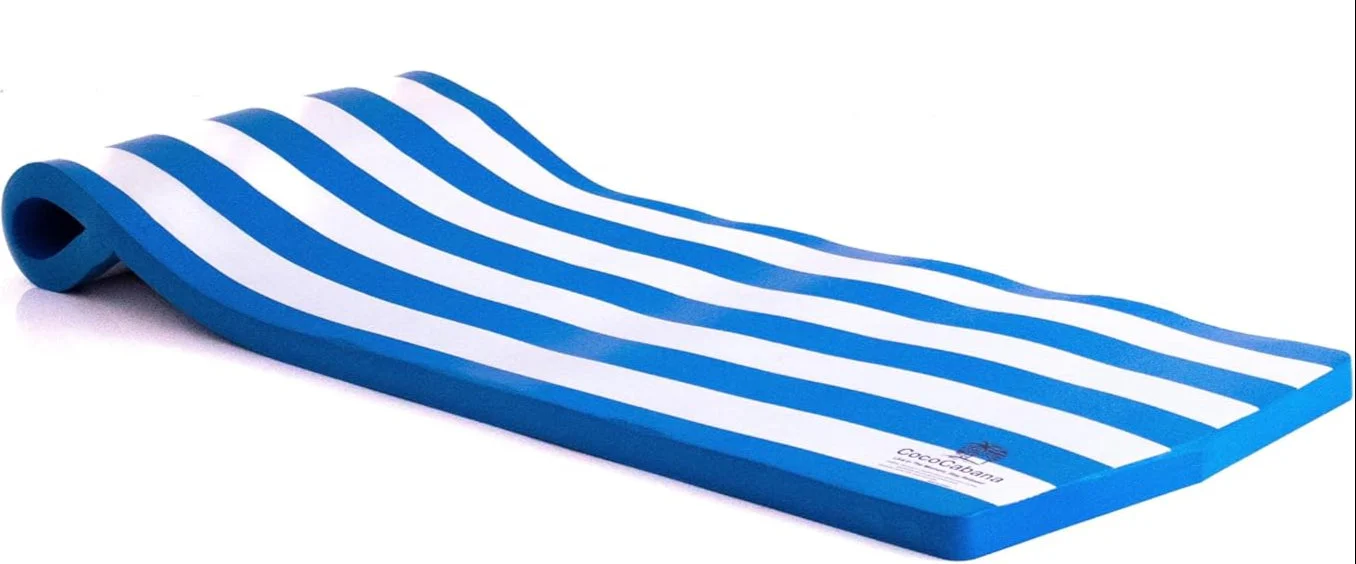
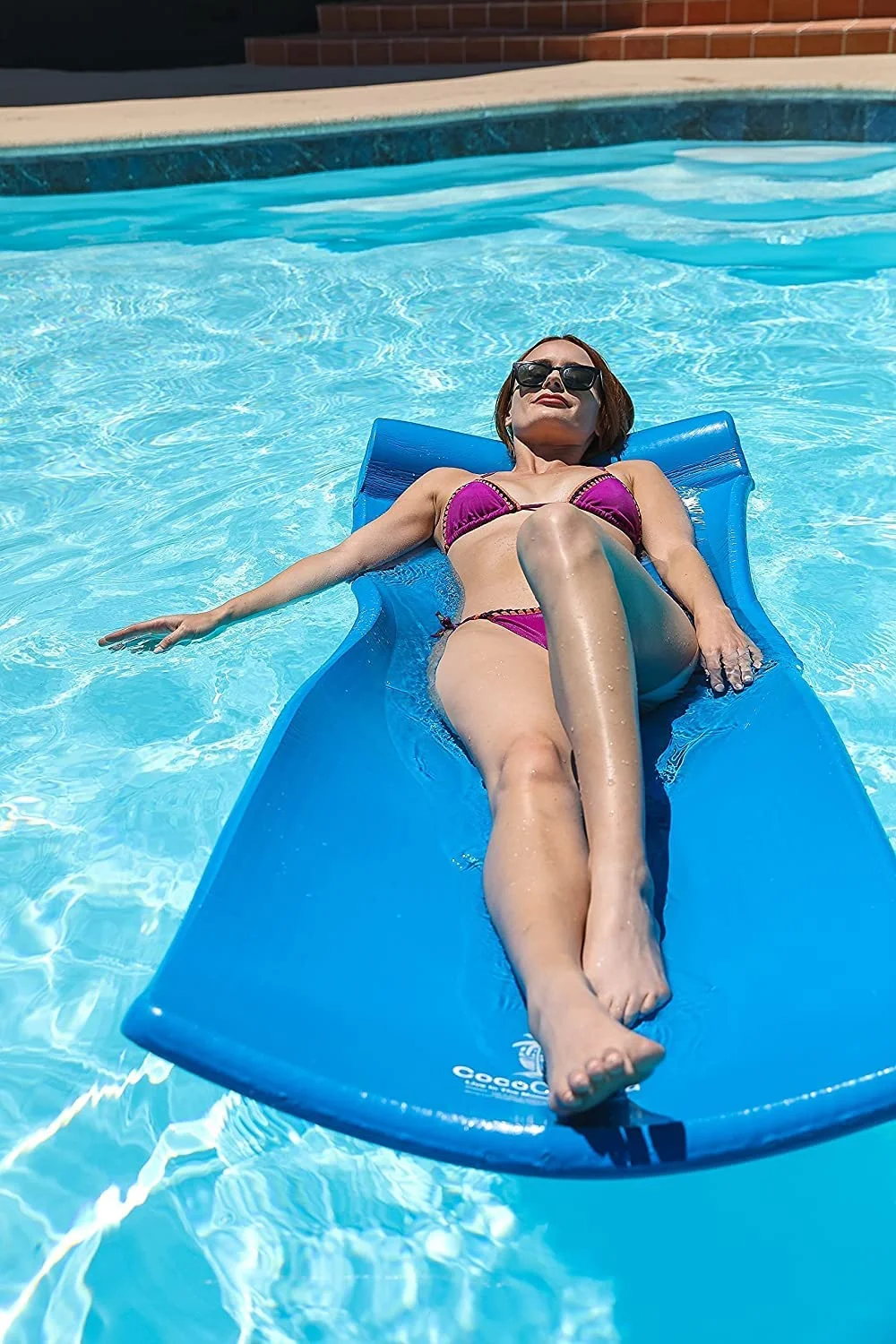
That's why a float like the Cococabana 74-Inch Foam Pool Float can go from Memorial Day to Labor Day — and then do it all again next year — without losing its shape, color, or comfort. But "built to last" doesn't mean "maintenance-free." It means the maintenance is easy, and the payoff is huge.
Daily Care — the Basics
Let's start with what you should be doing every time your float comes out of the water. None of this takes more than two minutes, and it makes more difference than you'd think.
Rinse After Every Use
This is the single most important habit. Pool water, lake water, ocean water — it doesn't matter which. All of them leave behind residue that, over time, dulls the vinyl surface and can cause discoloration. Chlorine is the biggest offender in pools, but sunscreen, body oils, and even the minerals in hard water play a role too.
After each session, give your float a quick rinse with a garden hose. You don't need soap — just fresh water, enough to wash off whatever the pool left behind. If you're at the lake or the beach, the same applies. Saltwater and algae are surprisingly aggressive on surfaces that aren't rinsed regularly.
Dry Before Storing
This one sounds obvious, but it's the step most people skip. Tossing a wet float into the garage or pool shed creates exactly the kind of warm, damp environment where mildew thrives. Vinyl-coated foam resists mold far better than fabric or open-cell foam, but standing water trapped between a float and a concrete floor will eventually cause problems.
After rinsing, lean your float upright against a wall or lay it flat on a clean surface in a shaded area. Ten to fifteen minutes in the air is usually enough. If you're storing it in the garage, make sure it's dry to the touch first.
Keep It Out of Direct Sun When Not in Use
This surprises people. Your float is designed for hours of sun exposure on the water — but long-term storage in direct sunlight is a different story. UV radiation breaks down most materials over time, and while the vinyl coating on premium foam floats includes UV inhibitors, those work best when the float isn't baking on a hot pool deck for days on end between uses.
The simple rule: float on it in the sun, store it in the shade.
Deep Cleaning When You Need It
A quick rinse handles the day-to-day. But once a month — or whenever you notice buildup from sunscreen, waterline marks, or that slightly tacky feeling on the vinyl — it's time for a proper clean.
What You'll Need
- A bucket of warm water
- Mild dish soap (a few drops — nothing harsh)
- A soft cloth or non-abrasive sponge
- A garden hose for rinsing
Step by Step
- Mix your cleaning solution. A few drops of mild dish soap in a bucket of warm water. Avoid bleach, ammonia-based cleaners, or anything with abrasive particles. These can strip the vinyl coating or leave behind residue that attracts more dirt.
- Wipe down the entire surface. Use a soft cloth or sponge, working in long, even strokes. Pay extra attention to the areas where your body contacts the float — headrest, center, and the edges where waterline grime tends to collect.
- Address stubborn spots. For sunscreen buildup or scuff marks, apply a small amount of baking soda paste (baking soda mixed with a few drops of water) directly to the spot. Let it sit for a minute, then gently rub with a soft cloth. This is mildly abrasive enough to lift stains without damaging the vinyl.
- Rinse thoroughly. Use a garden hose to wash off all soap residue. Soap left on the surface can make the float slippery and attract dirt faster.
- Dry completely. Same as daily care — lean it upright or lay it flat in a shaded, ventilated area. Don't fold or stack while still damp.
Storage and Off-Season Care
If you live somewhere with real winters — or you're just putting the float away for a few months — proper off-season storage is what separates the people who get three seasons from their float and the people who get ten.
Start with a deep clean using the steps above. Make sure the float is completely dry. Then store it flat or leaning upright in a cool, dry place. A garage, basement, or covered storage area all work fine. Avoid attics or outdoor sheds where temperatures swing dramatically — extreme heat can soften the vinyl over time, and freezing temperatures can make the foam slightly more brittle.
If you have multiple floats, don't stack them directly on top of each other for months. The weight can create pressure marks on the vinyl surface. If space is tight, place a clean towel or sheet between each float in the stack.
One more thing about off-season storage: resist the temptation to wrap your float in plastic. Plastic traps moisture and prevents airflow — exactly what you don't want during months of sitting idle. A breathable cotton sheet draped over the top is fine for dust protection. Or just leave it uncovered in a clean, dry space. The vinyl is tougher than you think.
"We store our Cococabana floats in the pool house over winter — rinse them once in spring, and they look exactly the same as the day we bought them. Going on our fourth summer now." — Verified Customer
Common Mistakes to Avoid
Most float damage isn't from use — it's from well-intentioned cleaning or storage habits that actually do more harm than good. Here's what to watch for:
- Don't use harsh chemicals. Bleach, rubbing alcohol, acetone-based cleaners, and bathroom sprays are all too aggressive for vinyl. Stick with mild dish soap.
- Don't pressure wash. A garden hose is all you need. High-pressure water can force moisture into the foam's sealed cells or damage the vinyl surface bond.
- Don't fold your float for storage. Foam has memory. A crease that sits for months can become permanent. Store flat or upright — never folded.
- Don't leave it on hot concrete. Pool decks in direct sun can reach temperatures above 140°F. That's hot enough to soften vinyl and leave texture marks from the concrete surface. Always move your float to shade or water when you're not using it.
- Don't ignore the underside. The bottom of your float sees the most water contact. Give it the same rinse-and-dry attention as the top.
- Don't use abrasive scrub pads. Steel wool, magic erasers, and stiff-bristled brushes will scratch the vinyl. Always use a soft cloth or non-abrasive sponge.
A Float That Gets Better with Time
There's something satisfying about pulling out a pool float at the start of summer and finding it exactly the way you left it — no patches, no fading, no disappointment. That's the whole promise of premium foam pool floats: less hassle, more floating.
The care routine is simple. Rinse, dry, store smart. A monthly wipe-down with mild soap. That's it. Do those things consistently, and your Cococabana foam float will be the one thing in your pool setup that doesn't need replacing — season after season, summer after summer.
Because the best float isn't the newest one. It's the one that's already broken in, already comfortable, and already waiting for you by the water.